Destiny 3 is going to be too expensive and take too long, so it’s not being made.
It’s not just me saying that. In the weeks since Bungie announced the end of active development of Destiny 2, players and journalists have been weighing in on the future of the franchise, if there is one at all. Jason Shreier (Link to Article) and Paul Tassi (Link to Article) have both reported that one of the major hangups causing Sony to not have green lit Destiny 3 by now is the massive cost associated with developing the project. The numbers being thrown around are daunting but not surprising: 5-6 years and around $500 million dollars, if not more. This shouldn’t come as a shock if you’ve been watching the gaming industry recently. Games are coming in with massive budgets and taking an eternity to develop. Jason Schreier has made two videos (Why Video Games Cost So Much To Make)(Why Games Now Take 6+ Years To Make) discussing these topics and they are worth a watch to serve as a foundation to this conversation.
With this in mind it’s understandable why Sony hasn’t agreed to fund Destiny 3. After Marathon’s questionable success and Destiny 2 slowly but surely losing players over the years, especially after 2024’s The Final Shape expansion, it seems dubious at best to put that type of money into a studio that struggled to ship Marathon on time and presumably on budget (reportedly Marathon cost over $200 million dollars).
After the decision to leave Destiny 2 behind to give Marathon a fair shake at success, Bungie is currently pitching new projects to work on for the future. A round of layoffs is expected to hit the studio like a freight train, reportedly impacting upwards of 50% of the studio. Bungie would survive as a 400-person team focused on giving Marathon its full focus for at least the next year or so (seasons 3-5). Who knows, maybe a coming update will drastically improve Marathon’s player numbers and it will continue further, but at its current trajectory it is probably safer to assume that sometime in 2027 the bulk of Bungie’s staff will begin development on a new project, leaving a small team on Marathon to continue delivering content updates.
But assuming Bungie is only approximately 400-500 developers, and 100 stay with Marathon, is it realistic to deliver a full-blown Destiny 3? Probably not, but we don’t need a large Destiny 3 - we need a tiny one.
Destiny and Destiny 2 each launched with four destinations surrounded by systems of questionable quality; Destiny 3 can and should be smaller and more focused. Over the years players have demanded the game return to deeper mysterious worlds full of surprises, and you do not need four destinations to deliver that. When I look back at my time with Destiny and Destiny 2, I am nostalgic for the music, the worlds, the raids, and the memories made with friends. Four destinations are not necessary to achieve that.
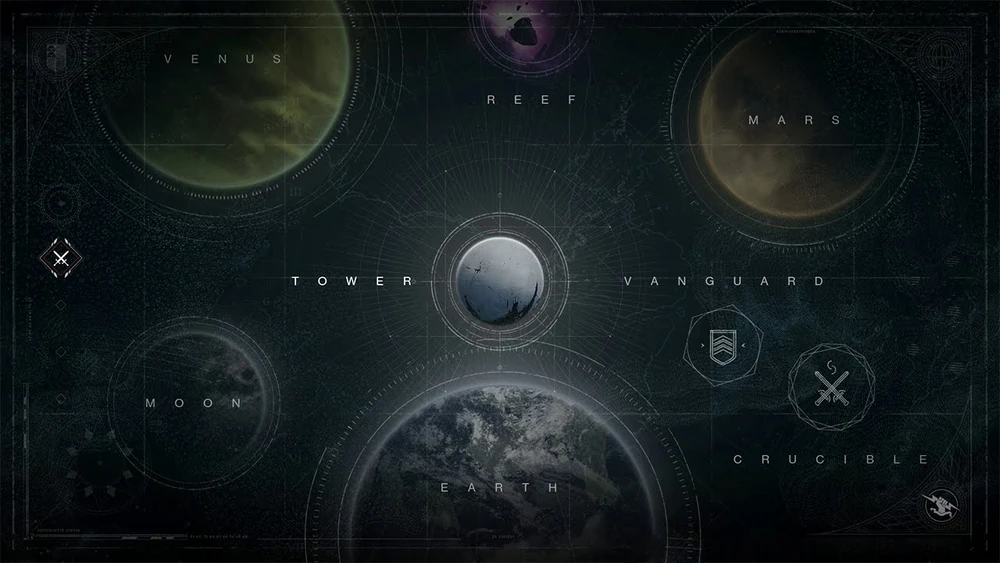 Destiny 1 Launch Director
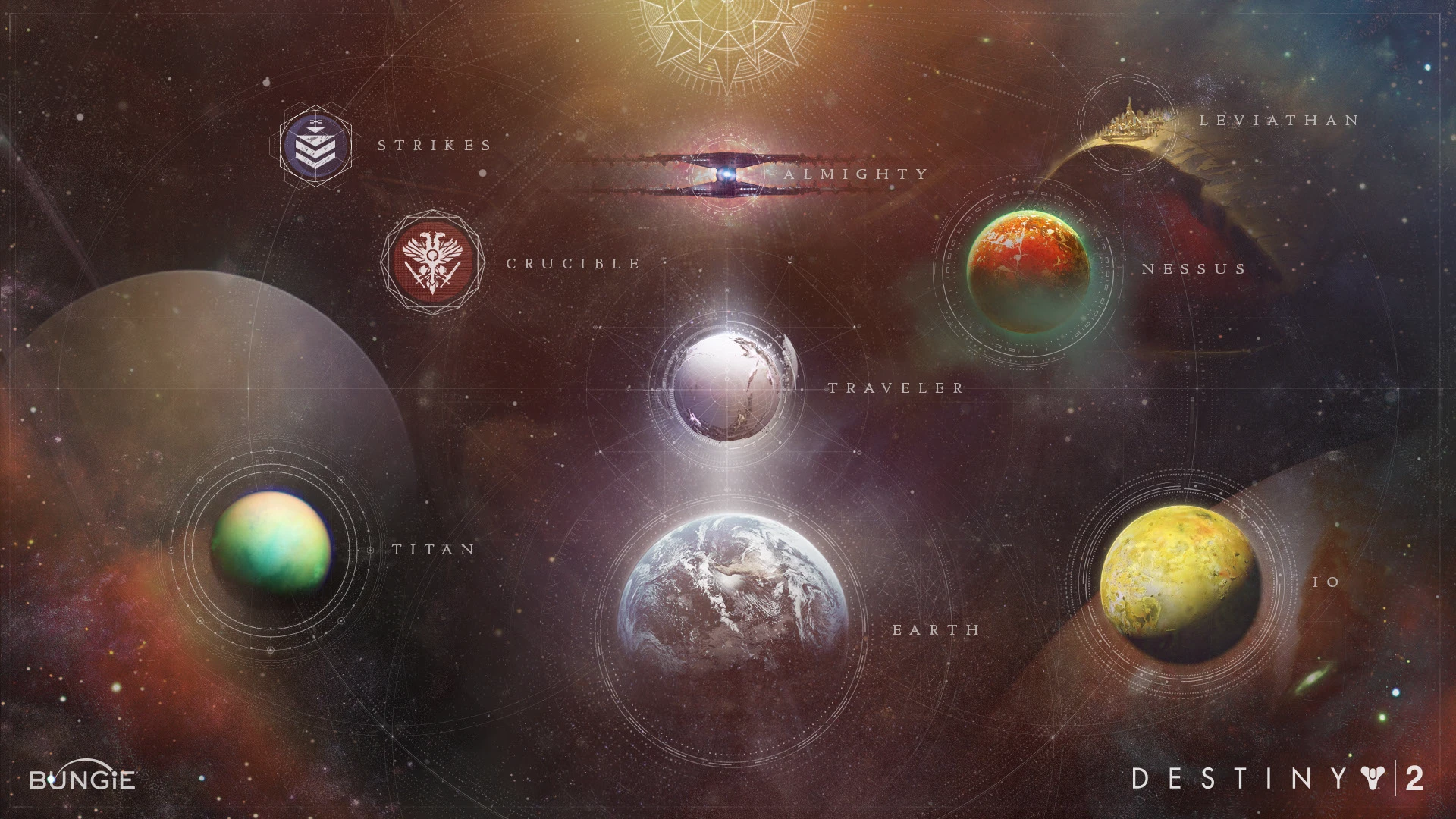 Destiny 2 Launch Director
Development budget, manpower requirements, and time are incredibly important considerations both for getting Destiny 3 green lit and for getting it across the finish line. Focusing on a smaller offering that could be achieved with a smaller team on a tighter timeline and budget is essential for getting the game into players’ hands. This is especially important with the rumors circulating about the size of the layoffs Bungie is about to endure. A limited scope Destiny 3 may be our only hope.
Let’s explore what ‘Tiny’ Destiny 3 would look like.
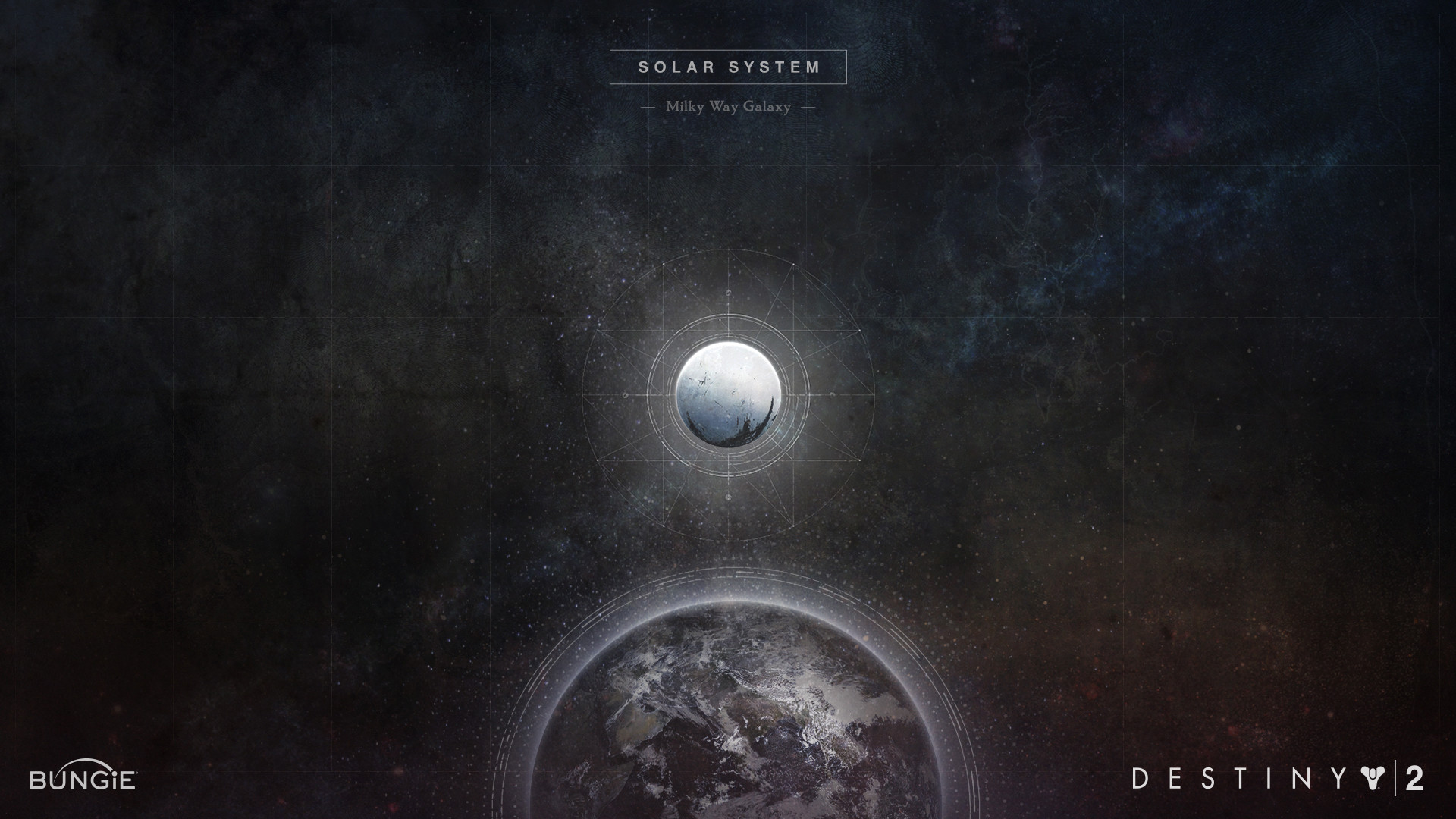 Destiny 2 Mood Board Concept Art, Illustrative purposes Artstation link
At its very core is a potentially sad, but (to me) exciting decision: one destination
One launch destination would immediately trim the game budget significantly, hopefully allowing it to be built faster with a smaller team. One destination could be a great opportunity to bring some of the mystery back to Destiny. Rather than focusing on building multiple shallow planets, the team could focus on building a destination with a deep connection to the story and secrets to draw players into the exploration. With a narrower focus, the game can afford to make exploration more rewarding, with multiple activities bringing a single destination to life.
While some may be disappointed with one destination, the nature of Destiny makes this a self-healing problem. With each expansion, the world grows and this dilemma is resolved.
To me, Destiny is all about the journey; the warm feeling of watching the game grow over time from humble beginning to new frontiers. I enjoy watching the Director grow each year, new weapons and abilities, new raids and activities, the ebb and flow of balance patches adding a reason to use an old super or exotic, and a new activity on an old destination causing a great influx of players to old abandoned locations. The combination of exploring the new and old evokes an attachment to the world that is hard to mirror in any other experience. These amazing experiences don’t require a massive launch, but rather a consistently growing journey. The expansion of the experience over time is more important that the quantity at launch, and one planet can deliver that fine.
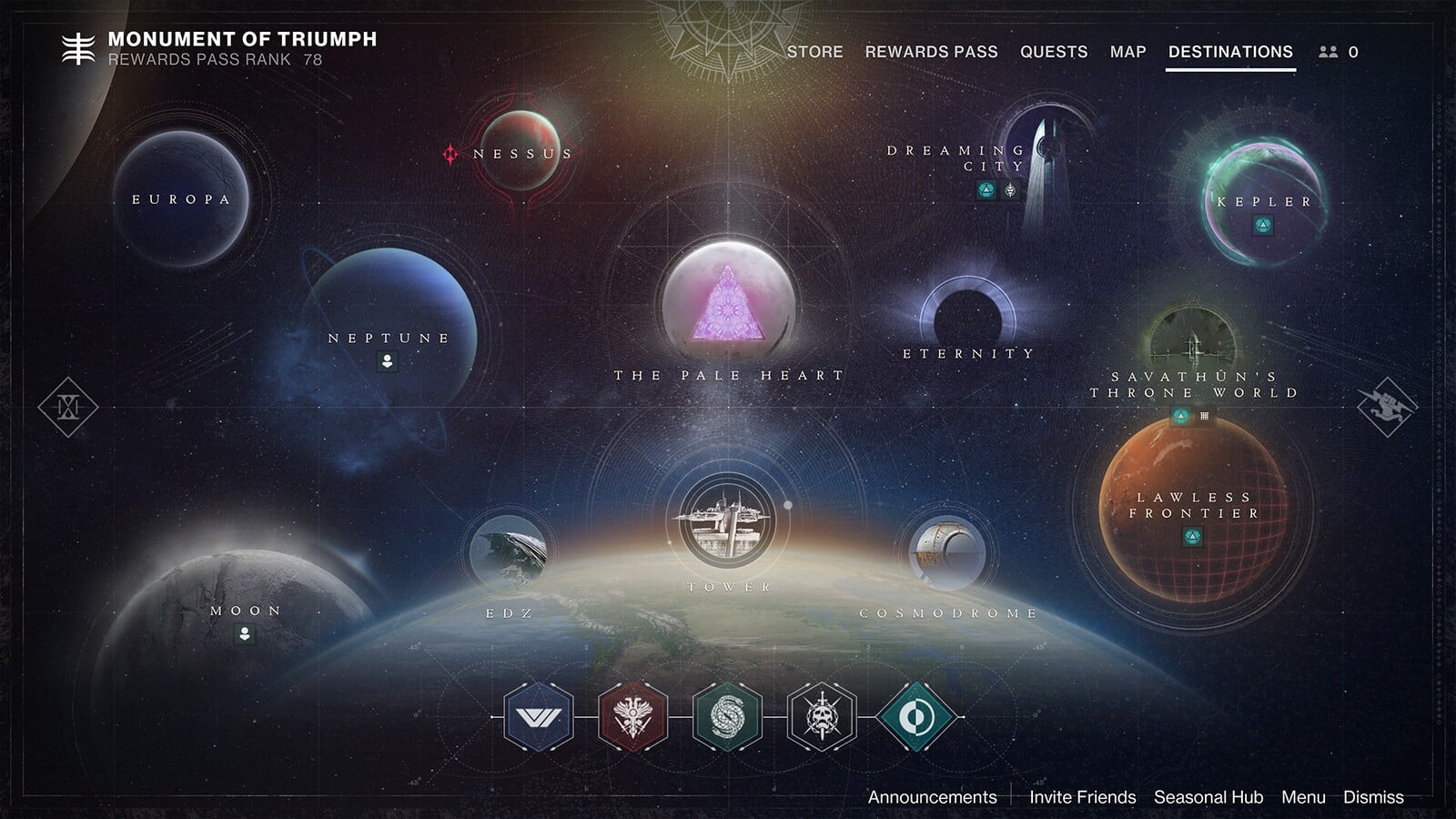 Monuments of Triumph Director, Destiny 2
To continue trimming the budget, build Destiny 3 on the foundations set in Destiny 2
I envision Destiny 3 to be more like Destiny 2.5, by building upon the very robust sandbox of Destiny 2 rather than building from scratch - evolution, not revolution. There is no reason to reinvent the wheel and develop a completely new sandbox, almost assuredly making many poor decisions that take years to rebound from (looking at you Destiny 2 launch, Edge of Fate). Use the foundations set in Monument of Triumph, with a massive renovation to balance, to launch the game in a distinct yet familiar way. That’s not to say every ability and piece of gear comes forward, but rather that much of Destiny 2’s systems can be adapted into a fresh start for a fraction of the budget a full rebuild would require. Abilities and weapons that are hard to balance around can be left behind, giving a fresh start to the sandbox, while keeping the soul that Destiny 2 has acquired over almost 9 years of updates.
For example, in another article I talk about the issues subclass 3.0 brought to the game - maybe this could be a good time to refactor the system, while keeping the core abilities and animations that are so time consuming to create. Leverage the weapons and armor systems that are already loved but retune them to fix the mistakes of the past without having to redesign the entire concept of weapons and armor. For some this will be a boring solution, but for many that wanted Destiny 2 to continue it will be a perfect way to bring the game into a new generation without losing the soul of Destiny 2. For many players, this Destiny 3 would be an opportunity to return after years away from the game, and will feel fresh with a new coat of polish on these existing systems.
Leveraging Destiny 2 sandbox could put the game in a great state without the opportunity to make huge mistakes that hurt the launch, and reduce the amount of work needed to get Destiny 3 out the door.
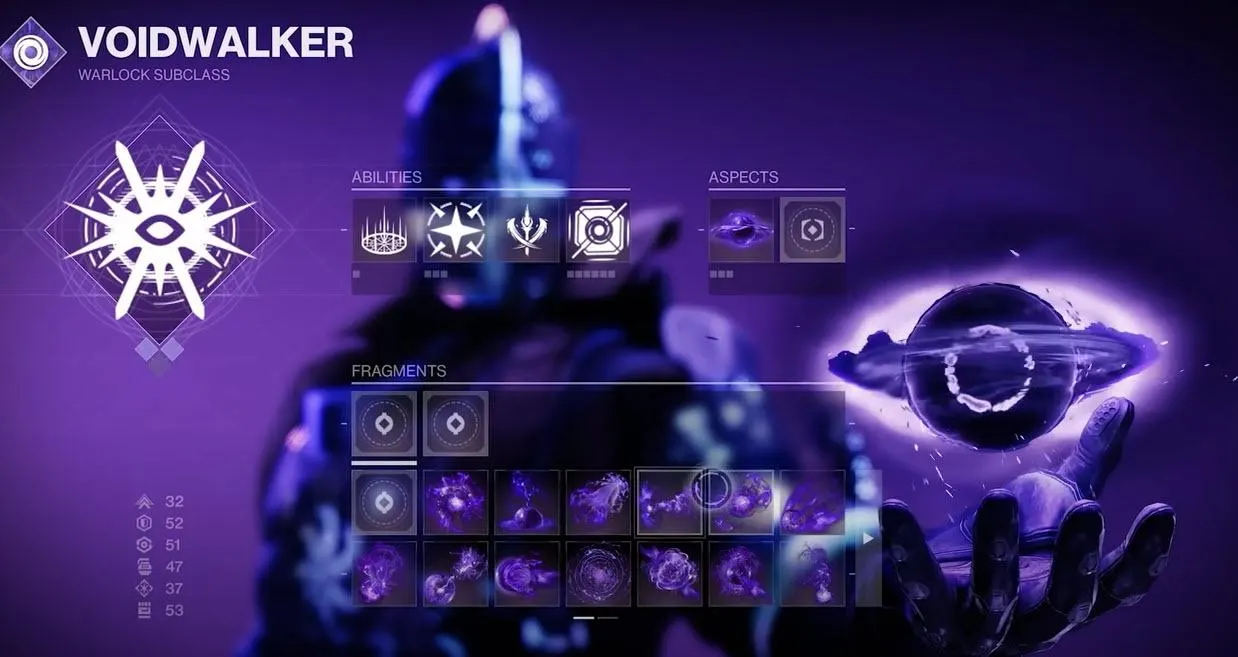 Subclass 3.0 Example, Void Warlock, Destiny 2
Controversal: Rework Subclass 3.0 to be more casual friendly
WAIT WAIT WAIT… Don’t click away yet!!!
I understand that the original Destiny 2 subclass trees were too simple and hindered build crafting, and Subclass 3.0 in many ways was a huge improvement. For hardcore players, of which I consider myself one, it is a great system. But I’m sure many have had the same experience of trying to get a friend to try the game, only to have them faced with a wall of text in their first subclass screen and be bored out of their mind. Eventually you just resort to telling them what aspects and fragments to put on without them engaging with the system at all.
For a newer player, first needs to come engagement with the core game, then comes investment in the depth. Asking a new player to care about the depth of Subclass 3.0 is a turn off, and knowing that Destiny 2 was ended in some part due to a lack of new growth over time makes this a huge priority.
I don’t have a solution, but some mixture of Subclass 2.0 and Subclass 3.0 is a must to help new players get into the game. Whether that is a more complex subclass tree system that allows for more simple building, or some form of one click default builds on the subclass screen, something needs to happen to help keep new players from being overwhelmed.
A few Destiny 2 activities and gear should come forward
Obviously, not all Destiny 2 gear and activities could come forward. From a technical standpoint, any Destiny 3 engine and system upgrades could potentially limit the ability to do so. But even from a bloat perspective, Destiny 3 should be a focused, tailored experience, and adding in destinations and activities from Destiny 2 would muddy the waters. At present, Destiny 2 can be a confusing mess for new and returning players, and simply put, bringing too much forward could ruin this fresh start.
However, bringing forward a curated selection of content could help make Destiny 3 a more rewarding experience in its first year. For example, in this tiny Destiny 3 world, an extremely small pool of hard-to-get exotics could be very exciting, but also limit the sandbox too much. Maybe in the first major update after launch you could bring forward some of Destiny 2’s best raids, dungeons, and exotic missions, stuffed to the gills with exotic weapons, armor, and some fan favorite gear. If Destiny 3 were to be lacking at launch in some way, this could be a relatively easy way to draw in returning players and add important gear and activities to the sandbox without having to disrupt planned development.
Managing this strategy would be difficult because there’s a fine line between growing an amazing game with some reprised content and overwhelming your new game with old bloat that doesn’t add to the experience.
Keep all Destiny 3 content relevant, even if that means less of it
One of the greatest mistakes Destiny 2 made was leaving behind old content when new content dropped. Aside from the massive issue that is the Destiny Content Vault, each expansion left behind the past year, removing all seasons and leaving old raids, dungeons, and destinations in an irrelevant and unrewarding state. Monuments of Triumph showed how much interest there is in playing older content if it is kept relevant with gear upgrades, difficulty tuning to the new sandbox, and even small content updates.
Destiny is an amazing and massive world, but in an effort to draw attention to the newest content, too much was removed and left behind. New content will naturally attract the most attention simply by being new and fresh, but for the health of the game it is essential that the full world feels interesting to play. For example, rather than only the new raid dropping pinnacle level gear, and older raids dropping gear that sometimes feels useless, have the new raid have double drops at pinnacle level, with older raids having one pinnacle drop and updated perk pools each year. These small things give players incentive to keep playing the content they want to play, rather than forcing them into exclusively new content.
How much can be reasonably achieved in this space without hindering the development of new content is hard to say. Monuments of Triumph showed us that leveraging legacy content makes the game world feel fuller and more exciting, and that should serve as a core tenant of the franchise moving forward.
Find ways to bring forward the legacy of our guardians
This is a tricky spot because you don’t want to start your new game with the FOMO that hurt Destiny 2 over time, but you may want to bring forward some things from Destiny 2 that form a connection to the past and reward players for their time. One approach is looking back at their accounts and giving fresh Destiny 3 drops based on their earlier accomplishment like titles, earned exotics, or campaigns/raids completed.
Alternatively you could lean into light cross progression. For example, maybe you bring forward a selection of eververse ornaments, ships, ghosts and sparrows, with players that already purchased them having them automatically unlocked, granting a feeling of continuity from the past game.
Emblems would be awesome to carry forward because some of them show off great achievements, but without a vehicle for new players to earn them, it may create the feeling that they already missed out on too much. Destiny 3 should feel like a fresh start for the community to welcome new players, but if they feel like they are behind on Day 1, it may loosen the connection they feel to the game.
I can’t solve all these dilemmas in one article, but these conversations open the door to making players feel rewarded for their past experiences in Destiny. Nothing says any of these systems have to be there at launch, maybe a few years into Destiny 3 things are brought forward in a celebratory manner.
Find a seasonal structure that supports the core game, and doesn’t stretch the team thin
I think the live service part of Destiny is essential to keep the game relevant, but if important things are going to happen within seasons, they can’t leave the game every year. Focus seasons on expanding the core content offerings with new activities that add to the existing systems, while still offering unique experiences. While the portal was obviously not good for the game as implemented, I think the idea of a six-player activity playlist organically built over time via seasonal activities was one of its strongest deliveries.
Seasons should be built in a way so they play like a small expansion, with story beats and cutscenes that work well when played at any time so they can be left in the game for lapsed players. Going back and forth to the holoprojector (which I know was eventually fixed) cannot be the way a season plays.
When it comes to seasonal content, sometimes less is more. Whatever amount of seasonal content the team can handle, that’s the right amount. This content should be additive, not mandatory. If the content drop amounts to bloat in the game, it doesn’t need to be there. If that means we only get one or two seasons per year of good content, that’s the right decision. Keeping these drops fewer and further between helps prevent the file size bloat and management nightmares that were the root of the DCV decision.
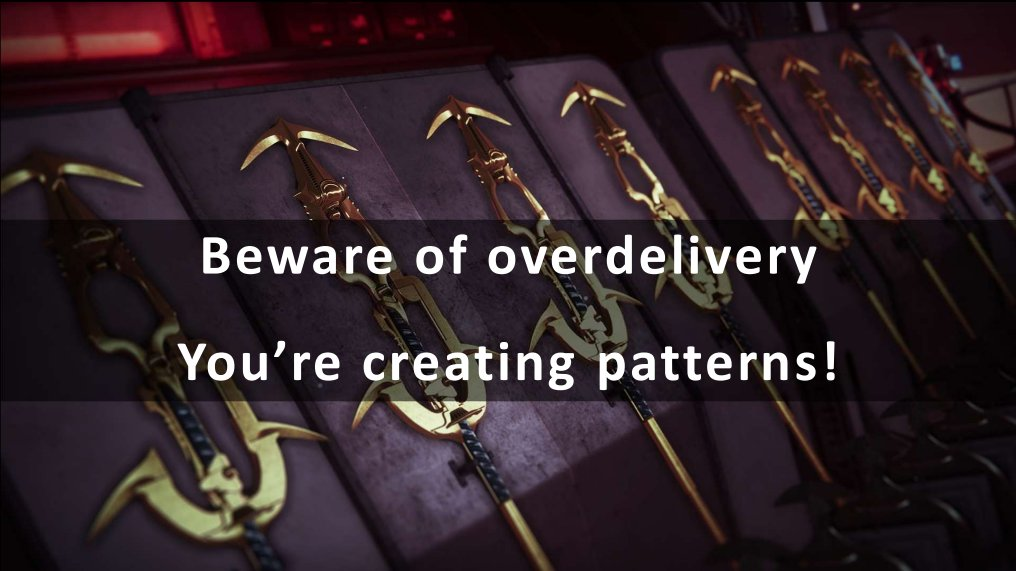 Infamous Destiny 2 Overdelivery Slide
Don’t be afraid of overdelivery
This is somewhat a snarky point about the “Beware of Overdelivery” slide that has circulated the community for years, but there is a real lesson here. To make a smaller Destiny 3 with a smaller budget and team, take all the wins you can. Not all expansions will be equally beloved, and that’s okay. But if the opportunity presents itself to deliver something above and beyond expectations, take it. The best Destiny experiences form memories that keep players attached to the game for years to come, even in lulls. Not to mention that exceptional expansions serve as gateway drugs for new players to fall in love with this world.
Because the game is smaller, launch at $40.00 (US)
Getting players in the door to this journey is key, and a lower starting price could prove a great way to do so. While Marathon showed that the price tag alone wont attract a large audience, the lower price tag may sway people already interested in Destiny to pick the game up that may balk at a $70.00 price tag.
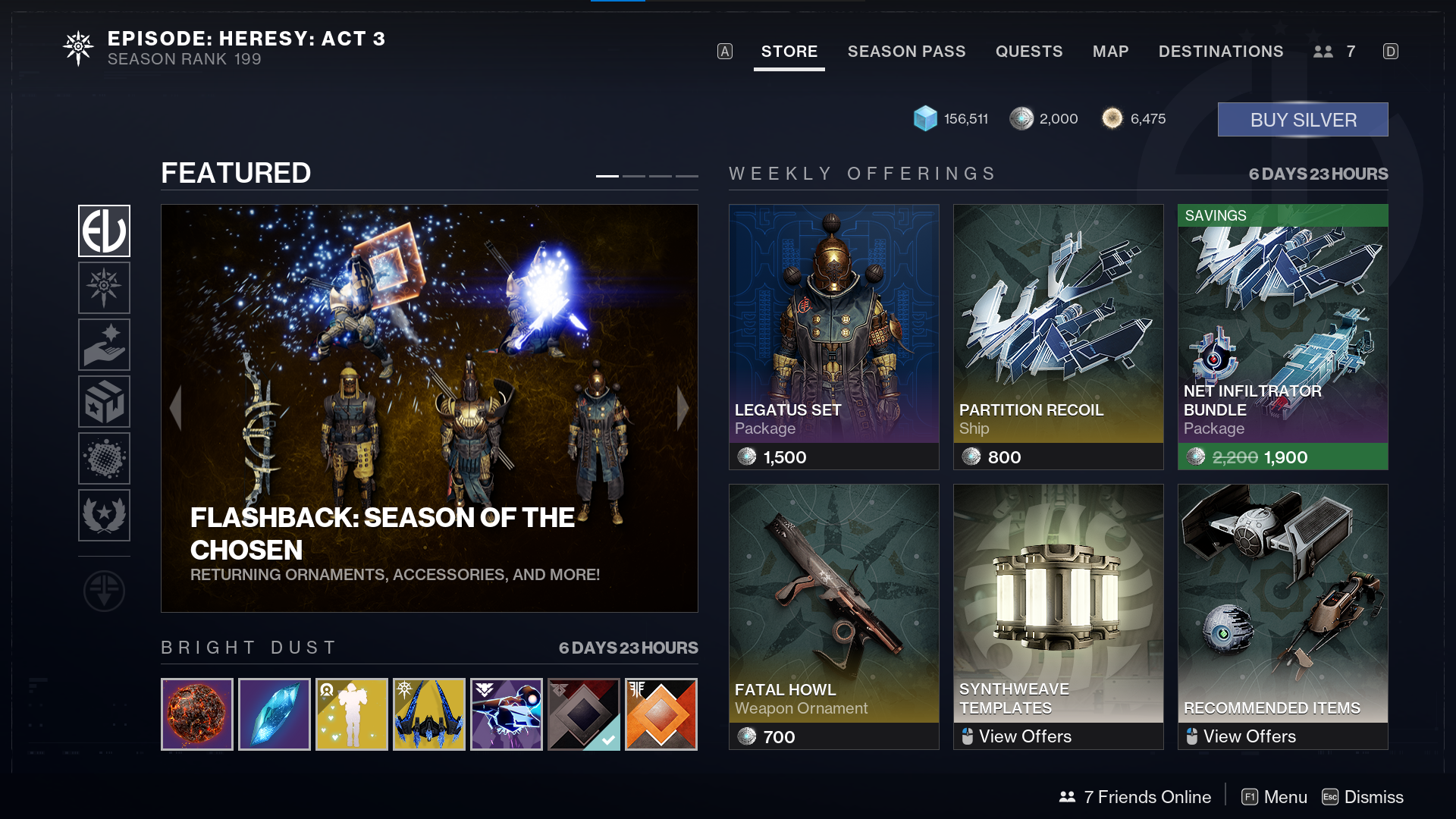 Destiny 2 Eververse Store
Less is more in the Eververse Store
Obviously I don’t have any data to back up what I’m about to say, but hear me out.
I very rarely buy Silver or anything from the Eververse store, and its because there is so much of it. My simple gamer brain likes to collect things, I want to be able to get almost everything and then strive to complete that list when I only have few things left. But the Destiny 2 Eververse store is so chock full of stuff that I cannot bring myself to care in the least. Every once in a while I buy a weapon ornament or a fancy Silver only armor set, but I simply cannot bring myself to care about any of it when I am hit with a tidal wave of items every season.
Additionally, I don’t think some of it even makes sense in the store. How much money can Bungie possibly have made on ghost projections in the lifetime of Destiny 2? I think those would be better suited as free drops in the game so players feel that store is only for higher quality things. Most ships, sparrows, and ghosts would be better suited as drops in the game, with the more playful and fun ones as Eververse purchases since they are unique and don’t really fit into any content. I think it makes perfect sense to buy emotes and silly beach themed cosmetics in the store, but it makes much less sense to be buying random hive themed sparrow #75 with Silver.
Maybe that makes me a filthy casual, but I would love a system where the store is focused on ornaments and gear at reasonable enough prices that I am incentivized to purchase things.
Summary of a year of Destiny 3:
- One destination with deep exploration
- One raid, with old raids kept relevant
- One or two seasons spaced accordingly
- One dungeon with each season
- General updates to keep all content relevant and exciting, within reason
Conclusion
I fear that past precedent will dictate that a proper Destiny 3 has to be a fully loaded arsenal, when the game would benefit in more than one way from a smaller game at launch. I think that the most important thing for the Destiny community is that the franchise continues, and finding ways to reduce budget and team size is the way to do that.
For me, Destiny 3 doesn’t have to be a massive $500 million dollar game; it can be a smaller experience full of mystery and exploration that I can go on a decade long journey with, alongside millions of other eager guardians. I am not a game developer, but I think the above framework sets forth a vision that is achievable for a smaller Bungie, and could prove to be the right path forward for Destiny.
Note: I am planning on maintaining this document as a living artifact, updating and changing things as I see them recommended if I agree. Hopefully over time it can grow into a great nest of ideas for a scoped down Destiny 3 experience.